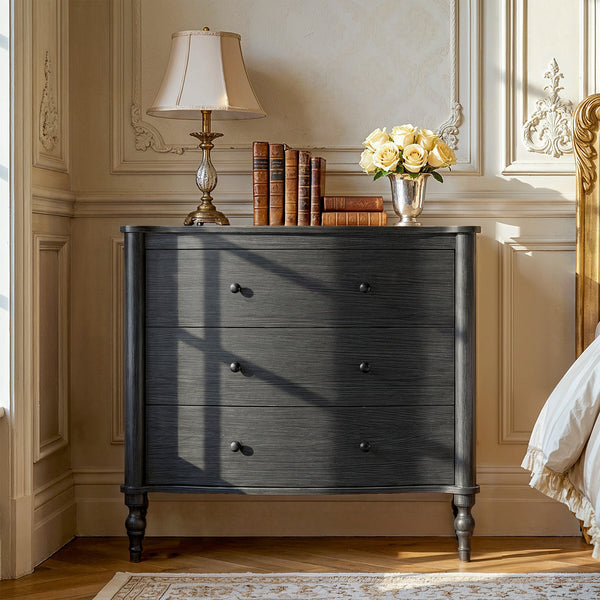
Bookcase Storage Cabinet Set with Drawers-Natural
$1,399.00$1,509.00
92.5"H×94.5"W×16.5"D


92.5"H×94.5"W×16.5"D

92.5"H×141.7"W×16.5"D

47.2" H × 32.8" W × 19.7" D

31.5" H × 32.8" W × 17.7" D

92.5"H×47.2"W×16.5"D

92.5"H×63"W×15.7"D

92.5"H×110.2"W×16.5"D

92.5"H×31.5"W×16.5"D

92.5"H×141.7"W×16.5"D
73.2"H×63"W×23.6"D

39.4" H × 110.2" W × 31.5" D

17.3"H×55.1"W×23.6"D

92.5" H × 63" W × 21.7" D

92.5"H×47.2"W×21.7"D

92.5"H×31.5"W×21.7"D

92.5"H×94.5"W×16.5"D

92.5"H×78.7"W×16.5"D

77.1" H × 31.5" W × 23.6" D

92.8" H × 31.5" W × 23.6" D

92.8" H × 31.5" W × 23.6" D

92.5" H × 141.7" W × 21.7" D

86.6" H × 94.5" W × 14.5" D

92.5"H×147.2"W×18.9"D

97.6"H×63"W×15.7"D
The most functional homes don’t choose one or the other—they combine both.
Open vs Closed Storage


Four checks before you buy, with the sizes our cabinets are built to.
Practical answers to help you choose the right storage solutions for your home.
The best storage furniture depends on what you need to store, how often you access it, and the amount of available space in your home. For everyday items, open shelving offers convenience, while cabinets and sideboards help reduce visual clutter.
Open storage keeps frequently used items within easy reach and allows decorative display. Closed storage hides household items and creates a cleaner visual appearance. Most well-designed homes use a combination of both.
Most living rooms benefit from a mix of media storage, concealed storage, and display space. TV stands, sideboards, and bookcases are among the most versatile solutions.
Adjustable shelving allows storage furniture to adapt to changing needs over time. It is especially useful for books, decorative objects, dinnerware, and seasonal storage.
In a small bathroom, look for storage that uses height and walls instead of floor area. The four formats that work best are:
Before you buy, check the clearances. Building codes require at least 15 in from the center of the toilet to a side wall or cabinet and 21 in of open floor in front of it; 30 in feels more comfortable. Choose cabinets with doors so towels and toiletries stay dust-free, and anchor anything tall to the wall.
Material matters more here than in any other room. Steam and splashes make particleboard swell, so inside a full bath choose sealed, painted or metal pieces and keep them away from the shower. Homsee cabinets are engineered-wood furniture designed for dry rooms. They work well in a hallway linen spot just outside the bathroom: the Relievo Lattice Cabinet (31.5 in W × 15.7 in D × 68.9 in H) holds towels on enclosed shelves and has a drawer for spare toiletries. For more slim formats, see our guide to the types of storage cabinets.
In a small apartment, the best storage cabinet is tall, shallow and closed. Before you shop, check three numbers:
Choose pieces that do two jobs. A display cabinet with solid lower doors shows off a few favorites and hides the rest, and a pantry cabinet in the living area can double as a bar. The Relievo Arched Hutch Cabinet is only 31.5 in wide and 14.5 in deep and combines open tiers, drawers and a lower cabinet. The 2-Door Glass Display Cabinet with 3 Drawers (31.5 in W × 16.5 in D) keeps sightlines light with its glass doors.
Renters should use the included anti-tip kit. A single screw into a stud leaves a hole that is easy to patch when you move out. Browse the small-space collection, or read our small apartment storage guide for layouts by room.
A good home office storage setup usually combines three kinds of storage:
Look for adjustable shelves, a weight rating above what you plan to store (a laser printer can weigh 30–50 lb), a cord opening at the back, and a lock if you keep tax or client records.
Homsee's office pieces are in the storage-cabinet and bookcase group. The Wood Bookcase with Mesh Doors, Drawers and Open Shelving (63 in W × 15.7 in D × 78.7 in H) has 6 drawers for supplies, 4 doors and open shelves for books. The Double Bookcase with Rolling Ladder turns one wall into a library at only 13.2 in deep. Our drawers do not have hanging-file rails, so if you need hanging folders, pair a bookcase with a dedicated filing cabinet. More options are in the home office storage collection and our home office storage cabinet guide.
For a garage, choose powder-coated steel or heavy-duty resin cabinets, not indoor wood furniture. Garages go through humidity swings, temperature changes, road salt and the occasional water on the floor. Particleboard and MDF absorb that moisture, swell and lose screw strength, while steel and resin stay stable.
Decide on the type next:
Look for adjustable leveling feet or legs that lift the cabinet off a wet floor, and shelves rated for 100–200 lb or more. Lockable doors keep chemicals and sharp tools away from children. Check thickness too: steel gauge works backwards, so a lower number means thicker steel. Before you buy, measure the interior height you need for items such as leaf blowers or golf bags.
Homsee furniture is built for climate-controlled rooms, so we don't recommend it inside an unheated garage. In a heated mudroom or laundry area next to the garage, a closed pantry cabinet works well for household overflow. For layout ideas, read organizing tools in a garage and the garage section of our storage cabinet types guide.
For a kitchen pantry, a tall freestanding cabinet with adjustable shelves and some drawers is the most versatile choice. It adds the cabinet space many kitchens lack, and you don't need a contractor.
Match the cabinet to how you cook:
Measure the ceiling height before you buy. A 92.5 in pantry cabinet needs about 95 in of height to stand up after assembly, which fits under a standard 8 ft ceiling. Anchor it to the wall.
For a pantry wall, the Pantry Cabinet with Built-In Power Outlet (63 in W × 21.7 in D × 92.5 in H) has a countertop appliance zone with LED lighting. The Pantry Cabinet with Rolling Storage Cart (47.2 in W) adds a cart you can pull out. For a narrow gap, the Pantry Cabinet with Glass Doors and LED Lighting is just 31.5 in wide. See the full pantry cabinet collection.
Practical advice for choosing, sizing and placing storage cabinets in every room.
 Storage ideas
Hide clutter in plain sight with 20 hidden storage ideas by room, from cabinets with doors to pantry appliance garages, with renter-friendly...
 Buying guide
Compare 12 types of storage cabinets by size, material and room, from pantry and display cabinets to garage lockers, plus a buying...
 Small spaces
How to choose a storage cabinet for a small apartment or kitchen: the depth, door-swing and height numbers that matter, plus renter-friendly...
 Home office
Filing cabinets, printer cabinets and bookcases for a home office: the sizes, capacities and features to look for, with layouts for every...